A Practical Guide to Tree Pruning Standards and Safety
Tree care is not just about cutting branches when they look overgrown. Proper pruning involves technique, timing, and an understanding of how a tree grows and heals. For anyone who owns property with mature trees, knowing the basics of safe pruning can prevent damage to the tree and to the surroundings. This guide covers the key principles that professional arborists follow, including the widely accepted standard known as ANSI tree pruning, and explains what homeowners should look for when hiring a tree service.
Pruning is one of the most common tree maintenance tasks, but it is also one of the most misunderstood. Cutting too much, cutting at the wrong place, or cutting at the wrong time can stress a tree and lead to decay, disease, or structural failure years later. The goal of good pruning is to remove dead, diseased, or hazardous wood while preserving the tree’s natural form and health. That is where industry standards come into play.
What Is ANSI Tree Pruning?
ANSI stands for the American National Standards Institute. The standard that applies to tree care is called ANSI A300. It is a set of best practices for pruning, fertilizing, cabling, and other arboricultural operations. When you hear the term ANSI tree pruning, it refers to pruning work that follows the A300 standard. This standard is the benchmark for professional arborists in the United States.
The ANSI A300 standard covers several important aspects of pruning. It defines proper cutting techniques, such as making cuts outside the branch collar rather than flush with the trunk. It specifies which branches should be removed first and how much live wood can be taken from a tree in a single season. It also addresses safety protocols for workers and for the public. Following this standard reduces the risk of injury to the tree and to people nearby.
Why Standards Matter for Homeowners
For a homeowner, the practical value of ANSI tree pruning is peace of mind. When you hire a company that follows this standard, you are getting a trained crew that knows how to make precise cuts that promote healing. You are also getting a crew that understands how to assess a tree’s structure and identify weak attachments, cracks, or decay that might not be obvious from the ground.
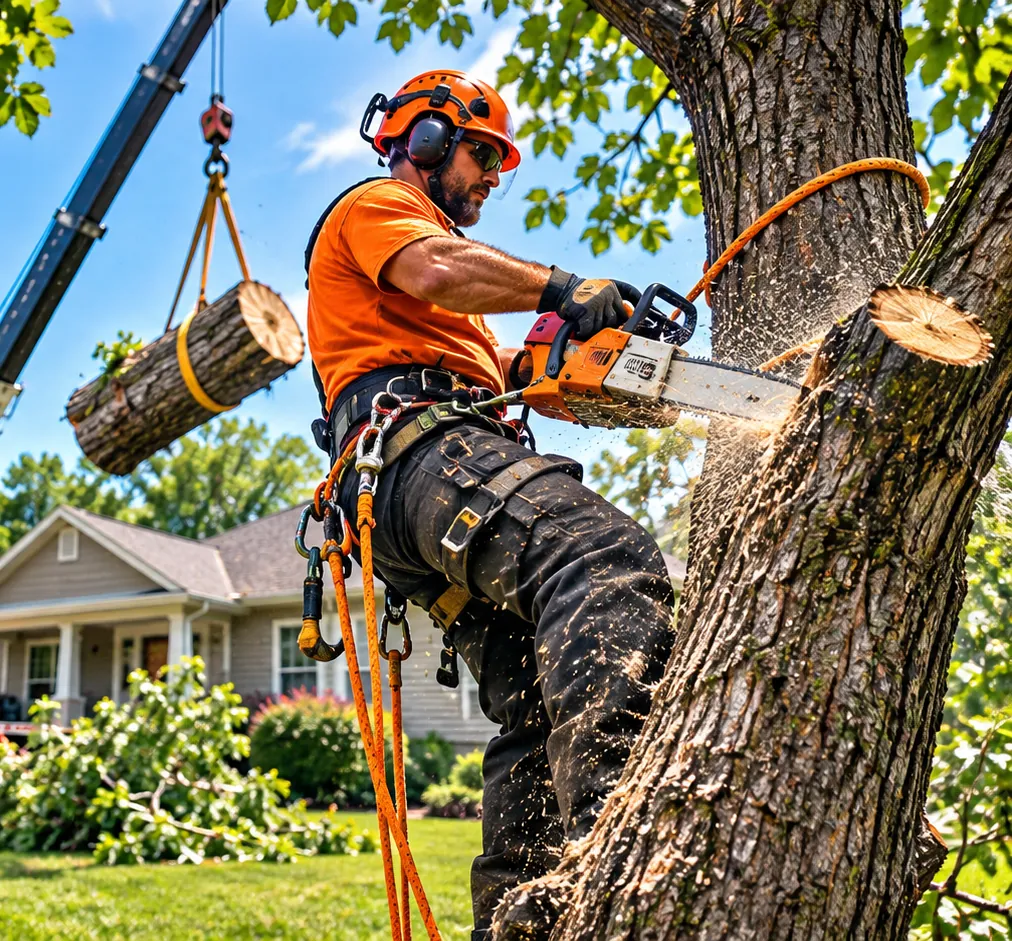
Not all tree services follow the same guidelines. Some may use climbing spikes on a tree that will remain standing, which damages the bark and creates entry points for pests. Others may remove too much foliage, leaving the tree unable to photosynthesize properly. A company that follows ANSI standards avoids these mistakes. They use proper climbing techniques, clean tools, and correct cuts. When you see a crew working with care and precision, it is a good sign that they are operating to a professional standard.
Key Pruning Techniques in the Standard
The ANSI A300 standard describes several types of pruning cuts and their appropriate uses. The most common are reduction cuts, removal cuts, and heading cuts. A removal cut takes a branch back to its point of origin, such as the trunk or a larger branch. This is the preferred method because it leaves no stub and allows the tree to seal the wound naturally. A reduction cut shortens a branch back to a lateral branch that is at least one-third the diameter of the removed section. This helps maintain the branch’s natural shape and reduces the risk of decay. Heading cuts, which shorten a branch to a bud or random point, are generally avoided because they produce weak regrowth and can lead to structural problems.
The standard also specifies the maximum amount of live wood that should be removed in one year. For most mature trees, that amount is no more than 25 percent of the live crown. Removing more than that can shock the tree and cause it to produce rapid, weak growth or decline over time. Young trees can tolerate more aggressive pruning for shaping, but even then, the cuts should be made with a long-term structure in mind.
Another important detail is the timing of pruning. While dead wood can be removed at any time, live branches are best pruned during the dormant season in late winter or early spring. Pruning during active growth can stress the tree and attract insects. However, hazardous limbs should be addressed immediately regardless of the season.
Safety and Liability
Tree work is dangerous. Falling branches, unstable ladders, and power saws create risks for workers and for anyone nearby. Following ANSI standards reduces these risks. The standard requires that workers use personal protective equipment, that ropes and rigging equipment are inspected regularly, and that the work area is secured to prevent injury to bystanders. It also requires that the crew has a plan for each tree, including a clear escape route for the climber if a branch falls unexpectedly.
For the homeowner, hiring a company that follows these standards means the company carries proper insurance and trains its crew. If an accident happens, the liability falls on the company, not the property owner. Companies like Jasper Tree Removal operate with these safety protocols in place, which protects both the crew and the client. When you hire a professional service, you are paying for their training, their equipment, and their adherence to a standard that keeps everyone safe.
What to Look for in a Tree Service
When you are considering a tree service, there are a few things to check. First, ask if they follow ANSI A300 standards. A reputable company will be happy to answer yes and may even explain how they apply the standard to your specific situation. Second, ask about insurance. A professional company will have liability insurance and workers’ compensation coverage. Third, ask about their climbing and rigging practices. Do they use spikes on trees that will remain? Do they have a plan for lowering heavy limbs instead of dropping them? These details matter.
It is also worth asking about the crew’s training. Many arborists hold certifications from the International Society of Arboriculture (ISA) or similar organizations. Certification requires passing an exam and staying current with industry practices. While not every crew member needs to be certified, having at least one certified arborist on site is a strong indicator of professional standards.
Common Mistakes to Avoid
Even well-meaning homeowners sometimes make pruning mistakes that hurt their trees. One of the most common is topping. Topping is the practice of cutting the main trunk or large branches down to stubs. It is sometimes done to reduce the height of a tree quickly, but it is harmful. Topping removes too much foliage, starves the tree, and causes rapid, weak regrowth that is more likely to break in a storm. ANSI standards explicitly advise against topping.
Another mistake is over-thinning. Removing too many interior branches can expose the tree to sun scald and reduce its structural stability. The tree needs a balanced crown to distribute wind loads and produce energy. A good arborist will remove only what is necessary to improve structure or reduce risk.
A third mistake is making improper cuts. Cutting too close to the trunk removes the branch collar, which is the thickened area where the branch meets the trunk. The collar contains cells that help the tree seal the wound. Cutting it off leaves a large wound that may never close. Conversely, leaving a long stub also prevents proper healing. The correct cut is just outside the branch collar, angled slightly away from the trunk.
When to Call a Professional
Some pruning tasks are suitable for a homeowner. Removing small dead branches that are within reach and away from power lines is often safe. But any work that requires climbing, involves large limbs, or is near utility lines should be left to a professional. A professional crew has the training, equipment, and insurance to handle those situations safely.
Storm damage is another time to call in experts. After a storm, trees may have hanging branches, cracks, or split trunks that are unstable. Attempting to remove these yourself can be dangerous. A professional can assess the damage and decide which limbs can be saved and which need to come down. They can also use rigging techniques to lower heavy limbs without causing further damage to the tree or property.
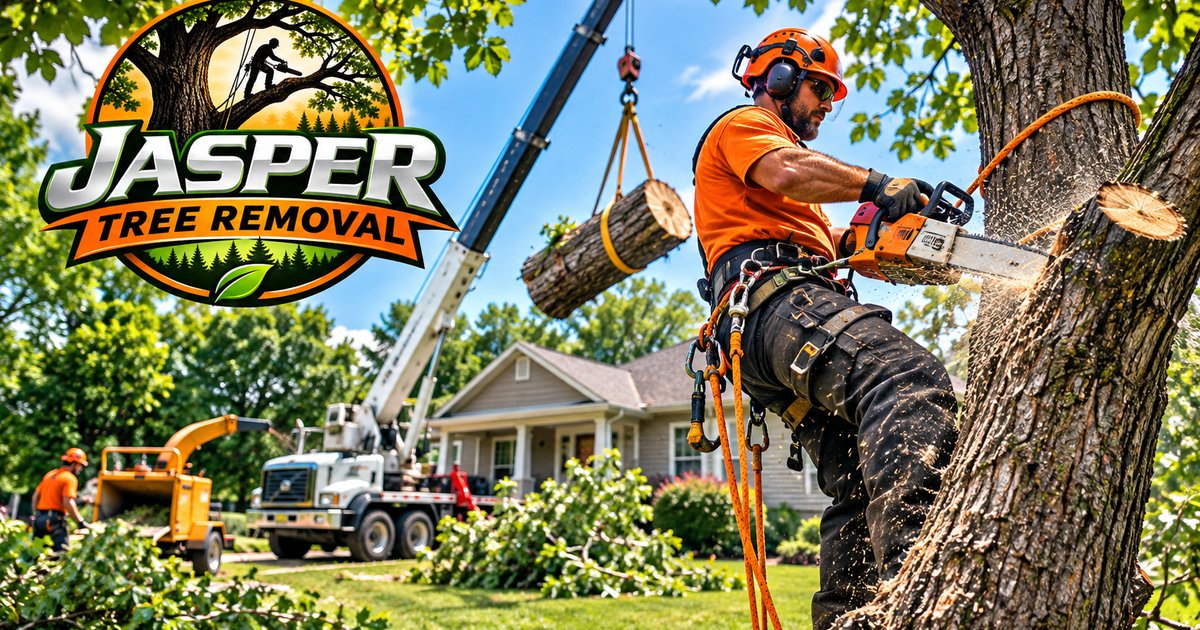
Jasper Tree Removal is one example of a company that handles these situations. Their crew works with residential and light commercial clients in Jasper and Pickens County, Georgia, providing services from routine trimming to storm cleanup and lot clearing. They follow industry standards and prioritize safety in every job.
The Bigger Picture
Pruning is not a one-time task. Trees grow continuously, and their needs change over time. A young tree may need structural pruning to develop a strong central leader and well-spaced branches. A mature tree may need deadwood removal to reduce the risk of falling limbs. An old tree may need crown reduction to reduce wind resistance. Each stage of a tree’s life requires a different approach. A professional arborist can create a long-term care plan that keeps your trees healthy and safe for years.
Understanding the principles behind ANSI tree pruning gives you the knowledge to make informed decisions about your trees. You do not need to become an arborist, but knowing what good pruning looks like helps you choose the right service and communicate your needs clearly. When you see a crew making clean cuts, working methodically, and following a plan, you can be confident that your trees are in good hands.
Tree care is an investment in your property. Healthy, well-pruned trees add value, provide shade, and improve the look of your landscape. By choosing a service that follows professional standards, you protect that investment and ensure that your trees remain a source of enjoyment rather than a source of worry.
Jasper Tree Removal on social media
 Twitter
 Instagram
 YouTube
Ends · MYJASPERTREEREMOVALWORLD